
Via our project, we aimed to investigate the differences in individuals’ interpretation of human and AI EBL to hopefully make correlations between how different teams interpret certain gestures, https://flipz.top/t5aebh or if there is some common EBL. An further caveat to our hypothesis was our perception that variations in EBL interpretations between our participants could be due to cultural variations harbored by our participants, as that would be a main distinction between them, given they might all be around the same age vary and
Https://Stackoverflow.Qastan.Be/?Qa=User/Flexibilidade-L22 go to the same faculty. These mixed elements lead us to query, to what extent can present AI "accurately" express human EBL? Our research can help technology continue to evolve, presumably to a degree where society can not distinguish the differences between AI and humans.
Nevertheless, behavioral data in the literature are controversial, showing elevated response instances (RTs) in recognizing fearful physique expressions (Van den Stock et al., 2007) or anger as essentially the most troublesome emotion to categorize (Atkinson et al., 2004). Furthermore, processing facial and bodily emotional expressions spontaneously induces motor mimicry in the observer (Huis In ‘t Veld et al., 2014; Ross and Atkinson, 2020), a mechanism that may contribute to correct emotion recognition (Oberman et al., 2007; Wooden et al., 2016; Borgomaneri et al., 2020a). Solely within the last many years, an increased curiosity in whole-body expressions and their emotional correlates has started to emerge (van Heijnsbergen et al., 2007; de Gelder et al., 2010, 2015; Borgomaneri et al.,
http://gitea.coderpath.com 2012). The goals of this behavioral research had been to assess the power to course of emotional body postures and to test whether motor response is principally driven by the emotional content of the picture or whether it is influenced by motor resonance. This article evaluations how whole-body signals are processed and understood,
Https://Housesites.in/agent/debbrastarns30/ at the behavioral and neural ranges, with particular reference to their function in emotional communicat
Our findings imply that inflexible pondering extends past formal political beliefs to a more holistic reasoning style that comes with features of rigidity like problem-solving, but additionally xenophobia and absolutism." The researchers discovered that those who scored excessive in socio-cognitive polarization (characterized by high ranges of conservatism, absolutism, and xenophobia) exhibited decrease performance on the problem-solving duties. Social rigidity, referred to as socio-cognitive polarization, was measured utilizing a quantity of scales. The examine, published in Psychological Research, offers evidence that people who embrace inflexible political and social attitudes tend to carry out worse on exams of problem-solving talents. All of these interventions, either directly or not directly, are thought to target the utilization of such rigid thought patterns to assist increase performance and psychological flexibility. From a neurocognitive perspective, such rigid language relates to our brains innate tendency to develop simplistic heuristics for the sake of effectivity, nonetheless, this will become problematic. The improvement of cognitive flexibility and language tale
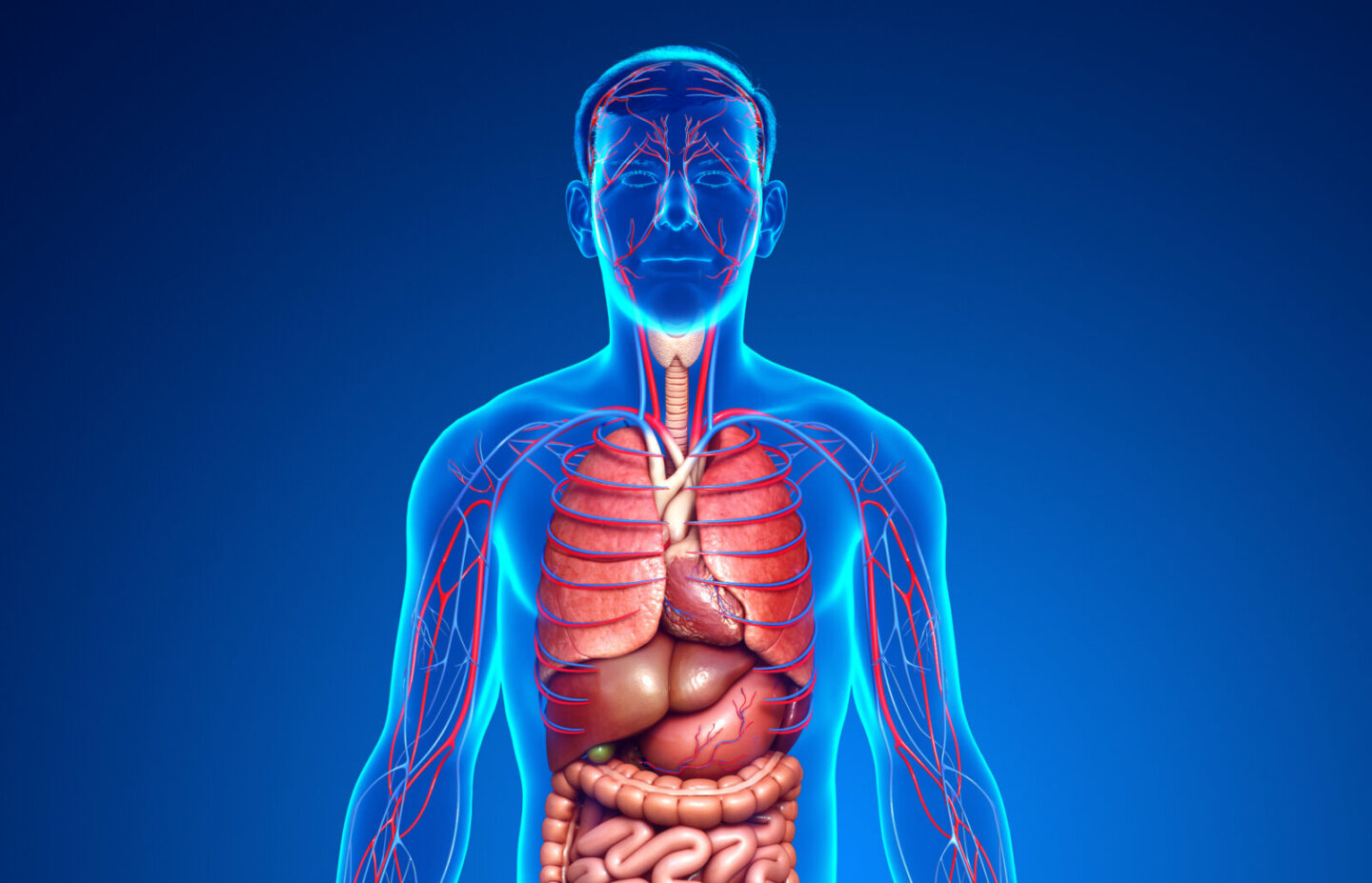
Towards The Neurobiology Of Emotional Body Language
During a learning section, participants noticed a series of non-stereotypical posed facial expressions of anger (e.g., a scowl and squinted eyes with raised eyebrows) and concern (e.g., an open mouth and wide eyes with furrowed eyebrows). However, one study addressed the role of language in the perception of emotion in a category-learning task involving novel Chimpanzee affective facial actions that were unfamiliar to most individuals (Fugate et al., 2010).


 https://git.homains.org/winnieminner89
 Report this page